

Your business should not need another admin every time sales grow
The owner usually sees the symptoms first.
Management asks to hire more admin staff. A quotation takes too long to prepare. When an experienced employee is away, the process slows down. When someone leaves, the business has to teach the same handovers again.
The hidden cause is often repeated work around the systems you already have. The same customer, order, supplier, purchase order, or delivery is found, checked, copied, and updated in several places.
Result Marketing maps that workflow, creates one reliable operational record, and builds clear apps, AutoCount connections, and automation around it.
You do not need to commit to a full system immediately. First, let us understand why the workload keeps creating more coordination and admin work.
If AutoCount is already in the business and you need a phased plan, start with the 90-day AutoCount integration roadmap.
Map the Admin Bottleneck
The owner sees headcount. The team feels the repeated work.
The owner does not need to understand every spreadsheet to know something is wrong. The visible signs are rising support headcount, slower handovers, late quotations, and important process knowledge living with particular people.
Inside the operation, staff may be copying the same information between Excel files, Google Sheets, WhatsApp, and AutoCount because each department needs another status, tag, approval, or report.
Those staff are not the problem. They are acting as the connection between systems that do not share one reliable record.
That is usually when companies start looking for us.
The real problem is not software. It is unclear business flow.
01
Your ERP was built, but no one uses it
A company can spend hundreds of thousands on ERP and still end up using Excel. This happens when the system does not match how the team actually works.
02
AutoCount became the place for everything
Accounting software is important. But when it becomes your warehouse system, CRM, procurement tracker, and operations dashboard, the team slows down.
03
Stock problems appear too late
Inventory rarely goes missing in one big event. It usually disappears through small gaps: wrong receiving, unclear picking, delayed updates, unrecorded transfers, or manual adjustment.
04
Customer follow-up is not really CRM
Exporting a customer list, sending it to a WhatsApp blasting tool, and hoping people respond is not customer management. By that time, the business is already reacting too late.
05
Nobody owns the full process
Sales, accounts, warehouse, logistics, and management each see only part of the business. The missing layer is a system that connects the rules.
So, understand first before deciding
You do not need to buy a full ERP today. You do not need to rebuild your whole company immediately.
The first step is to understand what is happening now: where data enters, where staff repeat work, where stock becomes unclear, where customers are not followed up, and where AutoCount should connect instead of carry everything alone.
What we build
- AutoCount integration and custom modules
- Custom ERP systems built around your process
- Inventory and warehouse control systems
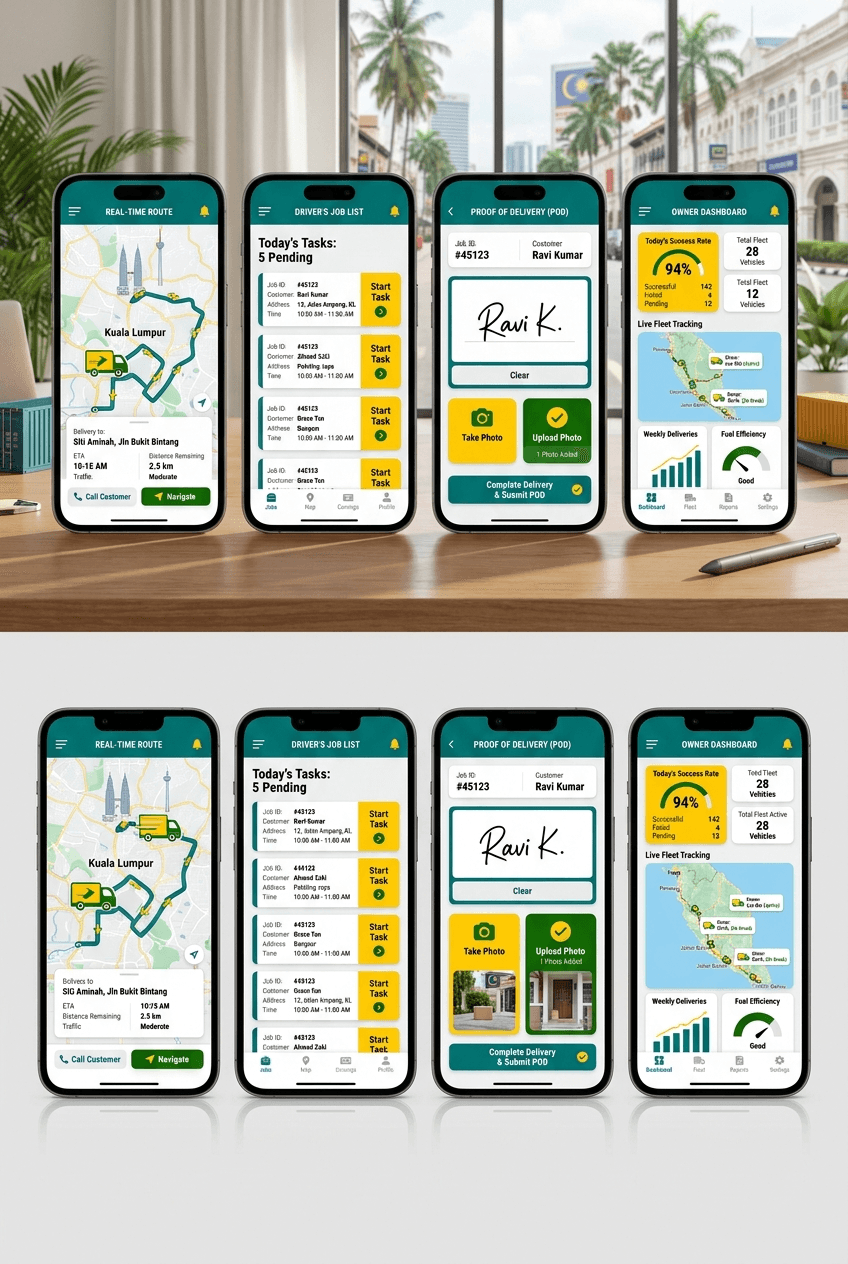
- Logistics and delivery order workflows
- Procurement and purchase order automation
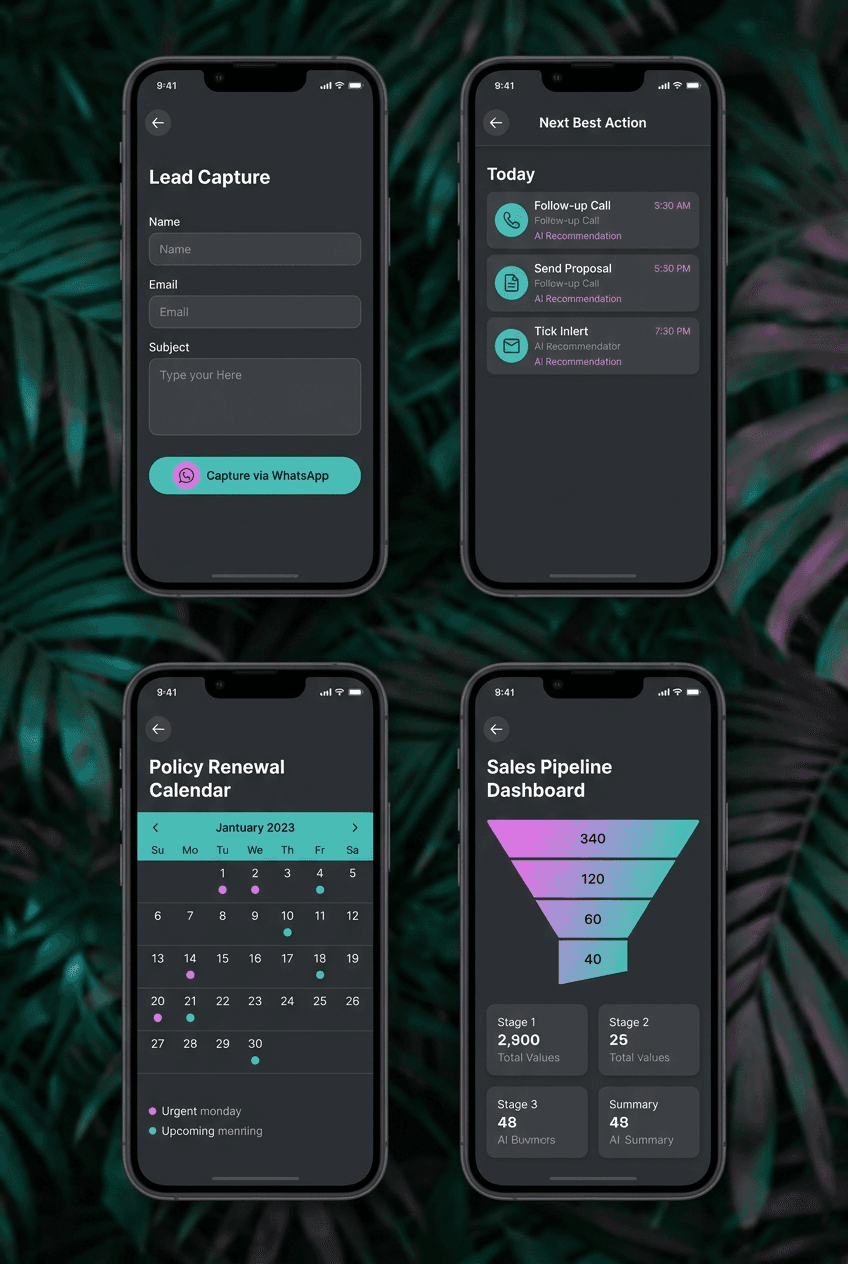
- CRM and sales follow-up systems
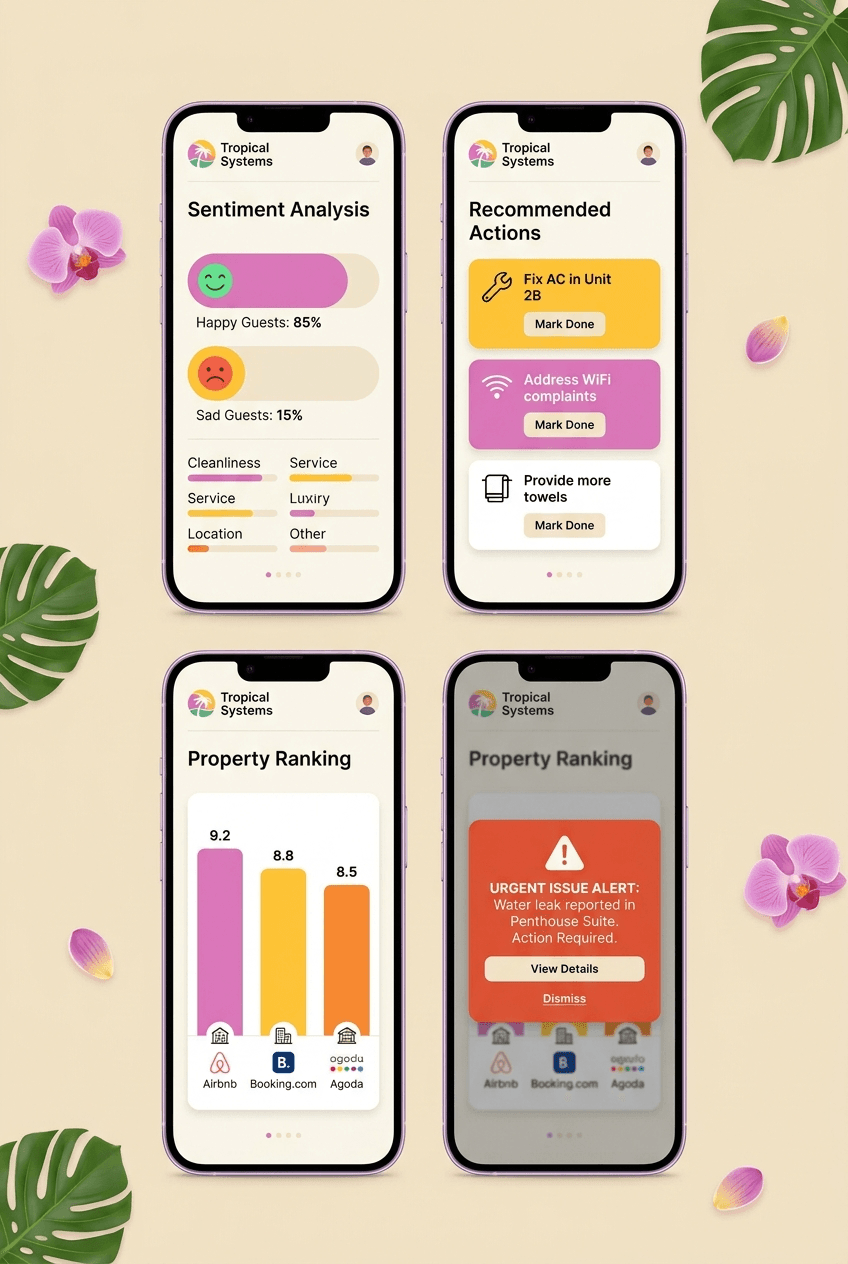
- AI review, reporting, and admin automation
- Management dashboards for decisions, not decoration
Why Result Marketing
We are business revenue driven.
That means we do not build software just because a feature sounds nice. We ask what the system should improve: stock accuracy, admin time, order speed, follow-up timing, reporting clarity, or revenue visibility.
Jared Loo first worked with the team as a client. He understands the pain of paying for systems that do not get used. That is why he leads development with one question in mind: will this help the business run better?
A safer first step
01
Tell us your current situation
Show us how sales, accounts, warehouse, purchasing, logistics, and customer follow-up work today.
02
We map the business rules
We identify where AutoCount should stay, where custom software should connect, and where manual work should be removed.
03
You understand the system direction
You will see the recommended modules, data flow, risk areas, and first version scope before deciding.
FAQ
Do we need to replace AutoCount?
Usually, no. Many businesses still need AutoCount for accounting. The custom system should connect to it and handle the workflow around it.
Is this only for large companies?
No. It is for companies where manual work is already causing cost, delay, missing stock, or reporting problems.
Can you fix an ERP that no one uses?
Sometimes yes. We first check whether the problem is user flow, business rules, data structure, training, or system design.
What happens after we contact you?
We start with a system audit. You explain the workflow. We ask questions. Then we suggest the most practical path.
Still not sure?
That is exactly why the first step is to understand first.
Book a System Audit